Why Home Health Care Nurses Are Essential for Patient Recovery
Home health care nurses play a vital role in patient recovery. They offer specialized, compassionate care that bridges patients and healthcare providers, significantly impacting outcomes, particularly in resource-limited areas like rural communities, enhancing patient satisfaction and quality of life. Additionally, their dedicated presence allows for personalized attention, tailoring care to fit each patient’s unique circumstances.
1. What Do Home Health Care Nurses Do?
Home health care nurses conduct daily assessments to monitor patient progress, allowing for early detection and prevention of complications. Their detailed observations and reports are crucial within the care team, as they identify changes that might go unnoticed in other settings.
Early intervention prevents minor issues from escalating. This proactive approach allows for timely adjustments in treatment, safeguarding patient recovery.
These nurses manage complex medication routines, crucial for patients with cognitive impairments or recent health events, minimizing medication errors and educating about side effects, thereby guiding treatment decisions. Comprehensive medication management contributes to stable health conditions and fewer adverse effects.
They develop personalized care plans considering individual needs, preferences, and goals, enhancing treatment compliance and fostering a supportive healing environment. The focus on personal goals empowers patients, encouraging active participation in their recovery.
Home health care nurses also provide a sense of security and emotional support to patients and their families, which aids in the overall recovery process, fostering a positive environment for healing.
2. Why Are Home Health Care Nurses Important in the Recovery Process?
The continuity of care provided by home health care nurses ensures smooth transitions from hospital to home. By collaborating closely with healthcare providers, they help maintain recovery momentum, reducing relapse risks and hospital readmissions. This seamless care continuum is pivotal in minimizing disruptions to the healing process.
Their expertise in monitoring and early complication detection supports holistic patient care, providing both medical and psychological support, which positively influences recovery and mental health outcomes. Such comprehensive care fosters a comforting atmosphere, accelerating overall patient well-being.
The individualized attention and care offered by home health care nurses help maintain an optimal recovery environment, addressing both the psychological and physical aspects of healing.
3. How Do Home Health Care Nurses Improve Healthcare Access?
Home health care nurses enhance access to medical care for patients with mobility issues or remote locations, removing logistical barriers and allowing focus on recovery. Their services reduce health disparities and support better public health outcomes, especially in rural areas. By bridging healthcare gaps, they level the playing field in medical access across various populations.
For elderly and disabled patients, home care eliminates transportation risks and stress, increasing adherence to treatments and improving health outcomes and quality of life. This approach also promotes independence, as patients receive care in a familiar environment.
4. What Skills Do Home Health Care Nurses Need?
Strong clinical skills and adaptability in varied environments allow home health care nurses to address diverse medical situations independently. Effective communication is crucial for conveying instructions and coordinating with healthcare providers, fostering trust and cooperation in caregiving. The ability to articulate complex concepts clearly is key in ensuring understanding and adherence to care plans.
Problem-solving and critical thinking are essential, enabling nurses to independently assess, strategize, and intervene in patient care, which enhances professional satisfaction and outcomes. These skills ensure preparedness in dynamic and often unpredictable healthcare scenarios.
5. How is the Role of Home Health Care Nurses Evolving?
The integration of technology and telehealth enhances the efficiency and reach of home health care, enabling remote monitoring and consultations. Collaborative practice reforms expand roles, fostering innovative patient-centered solutions. This technological adaptation supports continuous patient engagement and management.
The aging population increases demand for home health care, as nurses manage geriatric needs effectively, reflecting healthcare shifts toward home-based and personalized care models. Addressing aging demographics positions nurses at the forefront of adapting to evolving healthcare landscapes.
As technology and healthcare needs continue to evolve, home health care nurses are expected to play an increasingly pivotal role, ensuring that quality care is accessible to a broader population, catering to the dynamic needs of patients.
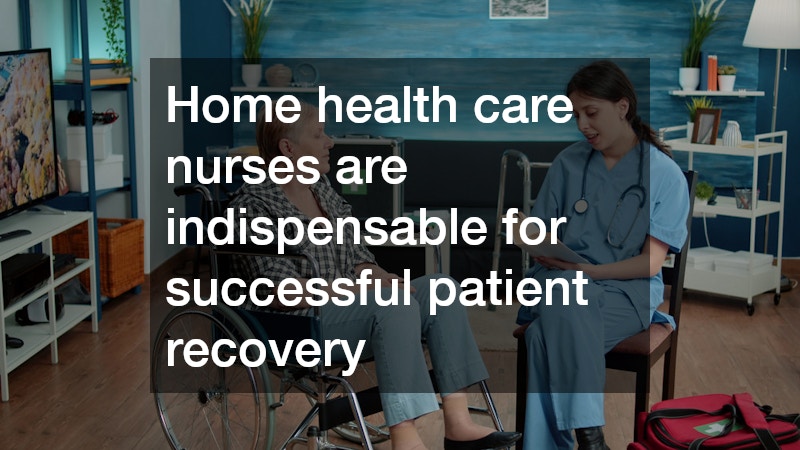
Home health care nurses are indispensable for successful patient recovery, offering comprehensive care management that enhances outcomes, access, and recovery processes. Their contributions are critical to maintaining quality, accessible, and sustainable patient care as healthcare evolves. As integral members of healthcare teams, they embody the future of patient-centric medical support.