Blending Natural Therapies with Modern Medicine for Faster Recovery
Recovering from an illness, injury, or chronic condition can feel like navigating a maze of appointments, prescriptions, and conflicting advice. More people today are looking for ways to combine time-tested medical treatments with natural approaches that support the body’s own healing processes. The good news is that you do not have to choose one path exclusively over the other. Understanding how these two approaches work together can help you make smarter, faster decisions about your health and recovery timeline.
Understanding How Integrative Recovery Works
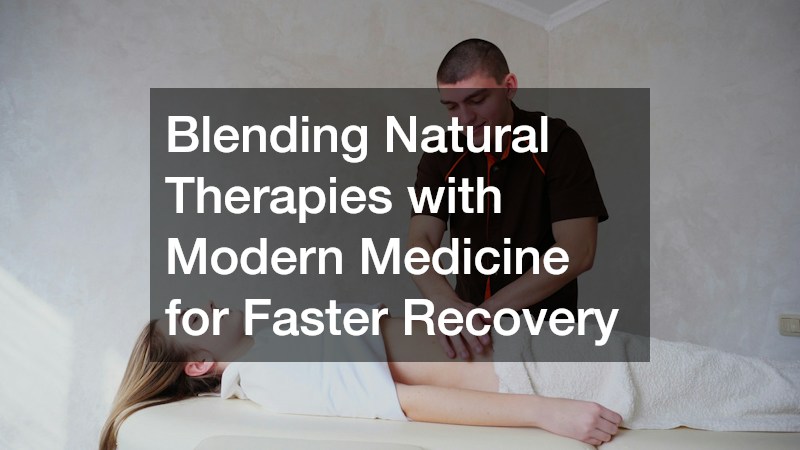
Integrative recovery means combining conventional diagnostics and treatments with therapies that support the body’s natural healing mechanisms. Rather than replacing medical care, natural therapies often work alongside it to reduce inflammation, manage pain, and speed tissue repair. A surgical patient, for example, might follow their doctor’s prescribed rehabilitation timeline while also using acupuncture for pain management and targeted nutrition to reduce swelling and support tissue regeneration. This approach has gained traction as more research validates practices like nutritional therapy, physical rehabilitation, stress reduction, and massage therapy as legitimate recovery tools. Studies on omega-3 fatty acids, for instance, show measurable effects on inflammatory markers, while mindfulness-based stress reduction has been linked to lower cortisol levels that can otherwise slow healing. These aren’t fringe add-ons anymore; many hospitals now offer integrative medicine departments that formally pair them with standard care. The key is coordination, since a treatment plan that blends both worlds works best when your providers are aware of everything you are doing. This means telling your physician about any supplements, herbal remedies, or alternative treatments you’re using, since some can interact with medications or affect surgical outcomes. It also means finding practitioners who are willing to communicate with each other, whether that’s a physical therapist checking in with your orthopedic surgeon or a nutritionist coordinating with your oncologist. Without that communication, even well-intentioned natural therapies can work against your recovery instead of supporting it.
One growing area within this space is regenerative medicine, which focuses on helping the body repair damaged tissue rather than simply masking symptoms. Instead of relying solely on painkillers or long-term medication, these approaches aim to stimulate the body’s own healing processes, often using techniques like platelet-rich plasma (PRP) injections, stem cell therapy, or prolotherapy. Techniques in this field are being used for joint injuries, chronic pain, tendon damage, and even post-surgical recovery, often shortening the time patients spend sidelined. Some studies suggest patients undergoing PRP therapy for tendon injuries see noticeable improvement within six to twelve weeks, compared to months of physical therapy alone for similar results. Patients considering these options should ask detailed questions about evidence, cost, and expected outcomes before committing to a treatment plan. It’s worth asking how many similar cases the provider has treated, what percentage of patients report meaningful improvement, and whether the treatment is backed by peer-reviewed research or still considered experimental. Cost is another important factor, since many regenerative treatments aren’t covered by insurance and can range from a few hundred to several thousand dollars per session. A clear conversation upfront about realistic timelines, potential risks, and the number of sessions typically needed can help set expectations and avoid disappointment later.
Addressing Hormonal Imbalances During Recovery
Hormones play a bigger role in recovery than most people realize, influencing everything from energy levels to how quickly wounds heal. When hormone levels are out of balance, whether due to age, stress, or illness, the body has a harder time repairing itself efficiently. This is why some recovery plans now include a broader look at endocrine health rather than focusing solely on the injury or illness itself.
For patients dealing with fatigue, low libido, or slow healing tied to hormonal decline, natural hormone replacement therapy has become a popular option to explore alongside standard treatment. This approach typically uses bioidentical hormones designed to mimic what the body naturally produces, which some patients find gentler than synthetic alternatives. It is important to work with a knowledgeable provider who can run proper lab work and monitor progress, since self-directed hormone use can create more problems than it solves.
Choosing the Right Care Setting for Everyday Injuries
Not every health issue requires a trip to the emergency room, and knowing where to go can save you time, money, and unnecessary stress. Understanding the difference between urgent and emergency care is the first step toward faster recovery and smarter healthcare spending. For minor injuries, infections, or sudden illness, a walk in clinic often provides faster service than a crowded ER while still offering access to trained medical staff. Conditions like sprained ankles, minor cuts requiring stitches, ear infections, mild fevers, or flu-like symptoms are typically well-suited for this level of care. Wait times at these clinics average 15 to 30 minutes, compared to hours in many emergency rooms, and the cost is often a fraction of an ER visit. These clinics are especially useful when your primary care doctor is unavailable and you need answers quickly, such as evenings, weekends, or holidays. Many now offer extended hours, on-site X-rays, and basic lab testing, allowing for same-day diagnosis and treatment. That said, chest pain, difficulty breathing, severe bleeding, or signs of stroke still warrant an immediate ER visit or a call to emergency services. Knowing this distinction ahead of time, before you’re in a moment of stress, helps ensure you get appropriate care without delay while reserving emergency resources for true crises.
Choosing the right care setting also matters for long-term recovery, since delays in treatment can sometimes worsen a condition or extend healing time. A sprained ankle treated within the first 24 to 48 hours, for example, typically heals faster than one left untreated for several days, since swelling and inflammation can compound the original damage. Many people underestimate how much a quick, accurate diagnosis early on can shape the rest of their recovery journey. Urgent care centers are often the right call for minor fractures, deep cuts that may need stitches, or sprains that limit movement but aren’t accompanied by visible deformity. Emergency rooms remain the better option for injuries involving heavy bleeding, suspected broken bones with obvious deformity, head trauma, or loss of consciousness. Primary care or physical therapy appointments, meanwhile, tend to work best for nagging pain, overuse injuries, or follow-up care once the initial injury has stabilized. Keeping a shortlist of nearby clinics before you need one is a smart step toward feeling prepared when something unexpected happens. It’s worth noting each location’s hours, average wait times, and whether they accept your insurance, since these details can save precious minutes during an actual emergency. Having this information saved on your phone or posted at home means you won’t be scrambling to make decisions while in pain or under stress.
Recognizing When Urgent Symptoms Need Immediate Attention
Some symptoms fall into a gray area between waiting for a regular appointment and rushing to the emergency room. Facilities offering urgent care services are designed specifically for this middle ground, handling things like sprains, moderate burns, persistent fevers, and minor fractures. These centers typically have on-site imaging and lab work, which means you can often get diagnosed and treated in a single visit.
Getting prompt attention for these kinds of issues can genuinely shorten recovery time, since untreated injuries or infections tend to worsen the longer they are ignored. It also helps to know the difference between symptoms that can wait a day and those that need same-day attention.
- Persistent high fever that does not respond to medication
- Deep cuts that may require stitches
- Sprains or suspected fractures with visible swelling
- Symptoms of dehydration after illness or heat exposure
- Minor allergic reactions without breathing difficulty
Supporting Children Through Sudden Illness or Injury
Parents often face a unique kind of stress when a child gets sick or hurt unexpectedly, especially outside of regular office hours. Facilities that specialize in pediatric urgent care are staffed with providers experienced in treating children, which can make a significant difference in both accuracy of diagnosis and the child’s comfort level. These centers are typically equipped to handle common childhood issues like ear infections, croup, minor burns, and injuries from play or sports.
Choosing a pediatric-focused facility over a general clinic can also reduce anxiety for both parent and child, since staff are trained to communicate in age-appropriate ways. Quick, specialized care for kids often prevents minor issues from escalating into something that requires a hospital stay. Keeping records of your child’s vaccination history and known allergies on hand can speed up the visit considerably.
Treating Sensitive Health Concerns With Discretion and Care

Certain health issues carry a stigma that keeps people from seeking help as quickly as they should, which can delay recovery and worsen quality of life. Erectile dysfunction is one of the most common examples, often tied to underlying issues like cardiovascular disease, diabetes, or hormonal imbalance. Seeking ED treatment early not only addresses the symptom itself but can also uncover other health conditions that need attention.
Modern approaches to this issue increasingly combine medication with lifestyle changes, counseling, and in some cases natural supplements that support blood flow and vascular health. Working with a provider who takes a whole-body approach tends to produce better long-term results than relying on a single prescription alone. Open communication with your doctor, even when the topic feels uncomfortable, is often the fastest path to feeling like yourself again.
Recovering From Substance Dependence With Comprehensive Support
Recovery from addiction is rarely a straight line, and the most effective programs tend to combine medical supervision with emotional and behavioral support. A quality drug rehab program typically includes detox management, individual and group therapy, and a structured plan for reintegration into daily life. Many programs now also incorporate nutritional counseling and physical activity, recognizing that the body needs to heal alongside the mind.
Choosing a program that treats the whole person rather than just the addiction itself tends to produce more lasting results. Family involvement, aftercare planning, and ongoing check-ins after the initial program ends all play a role in preventing relapse. Anyone supporting a loved one through this process should be patient, since recovery timelines vary widely from person to person.
Recovering Comfortably After Surgery or Hospitalization
The environment you recover in can have a real impact on how quickly you heal, especially after surgery or a hospital stay. Features like adjustable positioning, pressure-relief surfaces, and easy mobility support can reduce complications like bedsores and poor circulation. This is why many home health providers now recommend medical beds for patients who need extended recovery time at home rather than in a facility.
Having the right equipment at home can also ease the burden on caregivers, since features like height adjustment and side rails make daily tasks like bathing and repositioning safer and less physically demanding. Insurance sometimes covers this equipment when a physician documents medical necessity, so it is worth asking your care team about options. Setting up a comfortable, safe recovery space before you come home from a procedure can make a noticeable difference in how smoothly the healing process goes.
Blending natural therapies with modern medical care is not about choosing sides, it is about building a recovery plan that fits your specific needs and circumstances. Start by having an honest conversation with your healthcare provider about which natural approaches might complement your current treatment safely. Do your research, ask questions, and do not hesitate to seek a second opinion if something does not feel right. Your recovery journey is personal, and taking an informed, proactive approach today can make all the difference in how quickly and fully you heal.