How Multidisciplinary Health Networks Improve Complex Care Patient Outcomes
Navigating the healthcare system can feel like an overwhelming task, particularly for individuals facing complex, overlapping medical conditions. Whether recovering from a major trauma, managing a progressive neurodegenerative disease, or coordinating support for an aging parent, the traditional healthcare model often falls short. In a fragmented system, patients and their families are forced to act as their own project managers, shuttling between uncommunicative specialists, managing conflicting prescriptions, and constantly repeating medical histories. This lack of coordination leads to delayed treatments, medical errors, unnecessary hospital readmissions, and severe emotional exhaustion for caregivers.
A multidisciplinary health network offers a proven solution to these systemic challenges. By bringing together diverse medical professionals—ranging from primary care physicians and rehabilitation therapists to specialized clinicians and home health aides—into a synchronized ecosystem, care becomes collaborative rather than isolated. Shared electronic health records, regular team case conferences, and unified case management ensure that every provider works toward the same patient goals. This holistic, interdisciplinary approach not only streamlines the care journey but significantly enhances recovery trajectories, functional independence, and overall quality of life for complex care patients.
Understanding the Architecture of Multi-Disciplinary Care

At its core, multi-disciplinary care reorganizes medicine around the full needs of the patient rather than around isolated medical specialties. This innovative model prioritizes patient-centric approaches by fostering a collaborative environment where various medical professionals work together seamlessly. In a traditional setup, a patient might see several specialists who rarely interact, leading to siloed treatments that sometimes contradict one another—imagine a cardiologist managing heart conditions unaware of the endocrinologist’s treatment for diabetes. Such disjointed care can result in confusion and less effective healing. An integrated health network changes this dynamic by establishing clear channels of communication, centralizing data, and aligning treatment philosophies across every touchpoint of care, ensuring that every recorded pulse, prescription, and observation harmonizes towards a singular goal: the well-being of the patient.
Streamlining Initial Diagnostics and Specialist Consultations
The journey through complex care almost always begins with an initial evaluation to map out existing conditions, identify immediate risks, and establish a baseline for recovery. This is akin to embarking on a voyage with a meticulously crafted map. Having a consistent clinical home serves as the anchor for this entire process, acting as a beacon that guides decisions and tracks progress.
- Centralized Data Hub: A primary clinical setting acts as the central repository for all diagnostic reports, bloodwork, and imaging, ensuring every visiting specialist reviews the same health profile. This hub acts much like a library, housing the historical chapters of a patient’s health journey, accessible to every clinician involved.
- Coordinated Referrals: Rather than sending patients into the open market to find individual specialists, primary practitioners within an integrated network initiate direct, warm handoffs to trusted colleagues. This approach transforms the referral process into a relay race, where a patient’s baton—their health record—is smoothly passed from one capable medical hand to the next without the risk of dropping vital patient information.
- Routine Preventive Oversight: Regular check-ins at a primary doctor office ensure that foundational health metrics—such as blood pressure, routine blood panels, and medication tolerance—are consistently monitored while specialized treatments are underway. Think of these check-ins as routine maintenance for a well-functioning vehicle, crucial for ensuring longevity and performance.
Supporting Aging Populations with Tailored In-Home Assistance
As individuals age, complex care needs often stem from a combination of chronic physical ailments, reduced mobility, and subtle cognitive changes. Providing effective support requires balancing clinical intervention with compassionate daily living assistance. This balance forms a bridge that connects medical care with everyday life, ensuring that elders walk confidently across the phases of aging with dignity and safety.
- Preventing Secondary Hospitalizations: Professional assistance with daily activities reduces the risk of accidental falls, missed medication doses, and nutritional deficits that frequently trigger emergency room visits.
- Customizing Safety Environment: Trained caregivers assess living spaces to recommend practical modifications, such as grab bars, ramps, and improved lighting, tailored to the senior’s specific mobility level.
- Promoting Continuity of Routine: Integrating structured elderly care into a patient’s routine helps maintain physical strength, emotional well-being, and social engagement, while allowing seniors to remain in familiar surroundings.
Integrating Physical Rehabilitation and Musculoskeletal Health
Restoring physical function, strength, and alignment is a cornerstone of recovery for patients dealing with structural injuries, neurological events, or chronic pain conditions. When physical rehabilitation operates in tandem with overall medical care, patients experience safer, faster, and more sustainable gains in mobility.
Rebuilding Mobility Through Targeted Physical Rehabilitation Programs
Recovering from major surgery, joint damage, or neurological trauma requires a structured, progressive approach to physical movement. Rebuilding neuromuscular pathways and muscle strength demands close oversight and individualized exercise protocols.
- Customized Functional Benchmarks: Movement specialists design targeted routines that focus on restoring essential daily functions, such as rising from a chair, climbing stairs, and maintaining balance.
- Advanced Therapeutic Equipment: Utilizing specialized equipment in a structured physical therapy office allows patients to safely practice gait training, weight-bearing activities, and range-of-motion exercises under expert supervision.
- Interdisciplinary Feedback Loops: Movement therapists continuously relay mobility progress and physical limitations back to the broader care team, adjusting recovery timelines and medical interventions accordingly.
Managing Spinal Alignment and Chronic Pain Non-Invasively
Structural joint strain, spinal misalignment, and musculoskeletal imbalances frequently accompany broader health challenges, contributing to persistent pain and restricted mobility. Addressing these issues through non-invasive physical care provides immediate relief while supporting long-term rehabilitation goals.
- Targeted Spinal Decompression: Gentle manual adjustments help relieve nerve pressure, reduce localized inflammation, and restore natural joint movement without relying solely on systemic pain medications.
- Complementary Soft-Tissue Work: Combining joint alignment with soft-tissue therapies accelerates muscle recovery, enhances circulation, and reduces post-exercise soreness.
- Collaborative Pain Management: Utilizing a professional chiropractic care service within a broader treatment network ensures that manual therapies safely complement concurrent physical rehab, post-surgical recovery protocols, and medical treatments.
Specialized Neurological and Cognitive Recovery Protocols
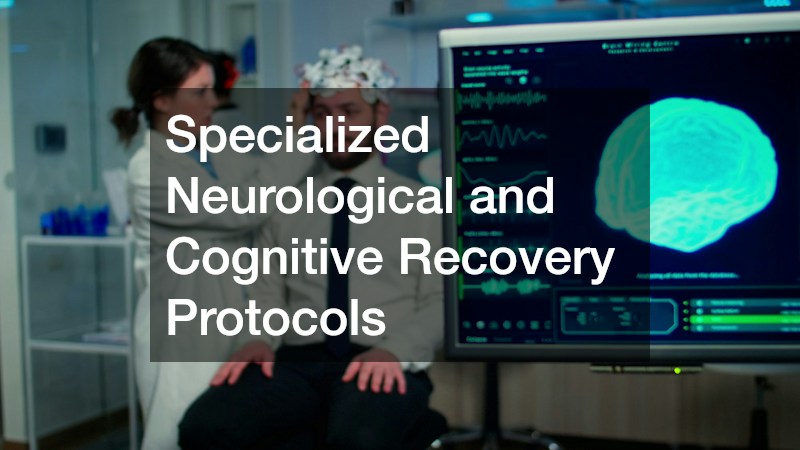
Neurological events and cognitive decline present some of the most complex challenges in medicine, affecting memory, behavior, speech, and physical coordination. Addressing these conditions requires specialized, multi-faceted interventions that support both the patient and their family network.
Navigating Cognitive Decline and Memory Maintenance
Progressive conditions like Alzheimer’s disease and vascular dementia require specialized environments and tailored cognitive therapies that prioritize safety, emotional stability, and the preservation of daily functional skills.
- Structured Behavioral Routines: Establishing consistent daily patterns reduces anxiety, confusion, and agitation common in patients experiencing cognitive decline.
- Cognitive Retention Activities: Targeted exercises stimulate brain function, encouraging neuroplasticity and helping patients maintain familiar skills for as long as possible.
- Dedicated Residential Safety: Utilizing a specialized memory care environment offers families peace of mind through secure living spaces, 24/7 monitoring, and staff specifically trained in handling cognitive and behavioral shifts.
Restoring Independence After Severe Brain and Head Injuries
Traumatic brain injuries, strokes, and acute brain trauma disrupt essential neural pathways, requiring intensive, specialized rehabilitation to rebuild basic cognitive, physical, and communicative abilities.
- Multi-Modal Therapy Integration: Successful recovery combines cognitive retraining, speech therapy, occupational skill building, and motor control exercises into a single cohesive program.
- Adaptive Skill Development: Therapists guide patients in learning compensatory strategies and using adaptive devices to navigate daily life despite persistent neurological deficits.
- Comprehensive Neuro-Rehab Programs: Enrolling in a specialized brain injury rehabilitation program ensures access to specialized medical equipment, neuropsychologists, and rehabilitation specialists working together on cognitive and functional restoration.
Holistic Symptom Relief and Respiratory Management
Complex medical conditions often involve distressing secondary symptoms, such as intractable pain, severe nausea, anxiety, and breathing difficulties. Addressing these symptoms through both specialized traditional medicine and integrative approaches is vital for maintaining patient comfort and stamina during recovery.
Exploring Alternative Pain Management for Complex Chronic Conditions
When conventional pain protocols prove insufficient or cause intolerable side effects, integrating carefully managed alternative therapies can offer significant relief and improve daily functionality.
- Thorough Medical Evaluations: Qualified physicians review a patient’s comprehensive health history to determine whether alternative symptom management protocols are safe and appropriate.
- Targeted Symptom Relief: Alternative options can effectively address persistent neuropathic pain, severe spasticity, nausea, and appetite loss linked to chronic conditions or aggressive medical treatments.
- Professional Botanical Guidance: Consulting a certified marijuana doctor provides patients with precise, professional advice on therapeutic compounds, proper dosing, and avoiding potential interactions with other ongoing medications.
Optimizing Oxygenation and Airway Health for Chronic Illness
Proper oxygenation is essential for every cell in the body, impacting energy levels, cognitive clarity, and cardiac function. Managing chronic respiratory diseases requires expert diagnostic precision and ongoing therapeutic adjustments.
- Advanced Pulmonary Rehabilitation: Customized breathing exercises and endurance training help strengthen respiratory muscles and increase lung capacity over time.
- Airway Clearance Protocols: Specialized techniques and therapies assist patients in clearing pulmonary secretions, reducing the risk of severe respiratory infections.
- Targeted Clinical Interventions: Working directly with an experienced breathing disorder specialist ensures that conditions like COPD, severe asthma, and pulmonary fibrosis are actively managed through precise oxygen therapies, medication adjustments, and continuous clinical oversight.
Transitions of Care and Extended Inpatient Support
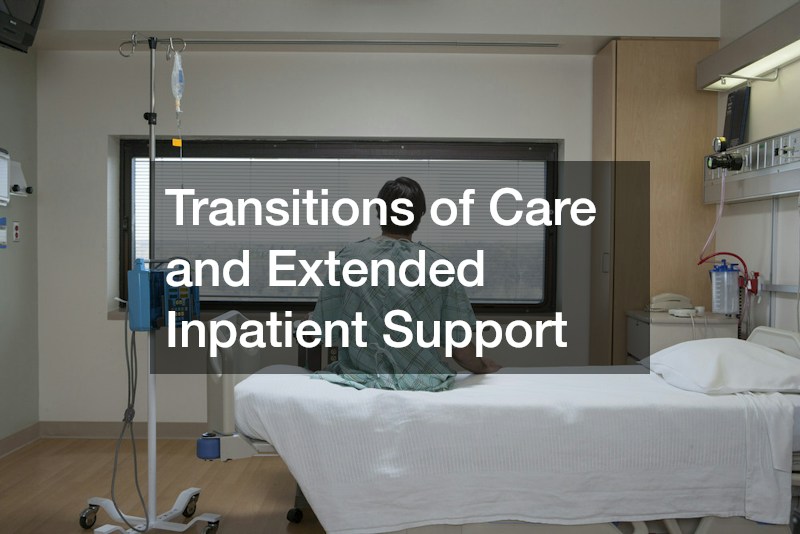
One of the most vulnerable phases in complex medical management is the transition between care environments. Whether moving from an acute care hospital to the home or requiring round-the-clock facility support, structuring these transitions safely prevents complications and treatment disruptions.
Structuring Safe Transitions for Home-Based Medical Support
Transitioning back to a home setting after a major hospital stay or surgical procedure requires significant clinical planning, specialized equipment setup, and dedicated professional oversight.
- Skilled Clinical Monitoring: Professional home health providers manage complex wound care, administer intravenous medications, monitor vital signs, and track post-operative recovery.
- Medical Equipment Integration: Coordinating the delivery and proper installation of medical beds, oxygen concentrators, and mobility aids transforms the home into a safe, healing-conducive environment.
- Tailored Personal Assistance: Bringing structured in home care services into the living space supports patients with hygiene, nutrition, mobility, and medication management, easing the burden on family members while maintaining safety.
Selecting Intensive 24/7 Therapeutic Living Environments
Certain complex health conditions, severe behavioral challenges, or intensive rehabilitation needs require a level of structured care and supervision that cannot be safely or effectively provided at home.
- Continuous Clinical Oversight: Structured residential settings provide round-the-clock medical monitoring, therapeutic support, and immediate intervention for acute symptom changes.
- Immersive Therapeutic Modalities: Patients benefit from daily, structured therapeutic schedules that incorporate individual therapy, group sessions, medical management, and skill-building activities.
- Structured Recovery Settings: Admitting a patient to a dedicated residential treatment center offers a safe, controlled environment designed specifically for long-term clinical stabilization, intensive physical recovery, or specialized behavioral support.
A Step-by-Step Implementation Guide for Families
Building and managing an effective multidisciplinary care network takes deliberate planning. Families can take clear, actionable steps to ensure their loved one receives coordinated, seamless care across all medical disciplines.
- Designate a Lead Healthcare Navigator: Appoint a single primary physician, nurse case manager, or dedicated family member to serve as the central point of contact for all clinical communications and medical records.
- Consolidate and Share Medical Documentation: Maintain an updated digital or physical binder containing current medical histories, diagnostic imaging reports, lab results, and a complete, active medication list.
- Execute Releases of Information (ROI): Complete all necessary consent and privacy forms at every clinic, hospital, and specialist facility to allow providers to legally share health records and treatment updates freely.
- Schedule Regular Team Reconciliations: Request periodic case conferences or combined check-ins with key providers to review treatment progress, address new symptoms, and adjust overall recovery goals.
- Utilize Integrated Patient Portals: Leverage centralized digital healthcare platforms to track upcoming appointments, communicate directly with clinical staff, and access diagnostic results in real time.
Using This Guide for Health Care Networks
Managing complex, multi-faceted medical conditions is a journey that no patient or family should have to navigate alone. The traditional, siloed approach to medicine creates unnecessary hurdles, miscommunications, and physical stress during times when clarity and seamless support are needed most. By embracing a multidisciplinary health network, patients gain access to a synchronized team of experts who collaborate continuously, aligning every treatment, therapy, and home support mechanism around a unified goal.
This collaborative care model bridges the gaps between clinical diagnoses, physical rehabilitation, cognitive support, and daily living assistance. When specialists share information and work together, medical care becomes proactive rather than reactive, significantly reducing hospitalizations and improving functional outcomes. Ultimately, multidisciplinary networks do more than just manage illness—they restore structure, bring peace of mind to families, and create a clear, guided path toward optimal health, independence, and overall well-being.