A Guide to Post-Trauma Recovery and Integrative Rehabilitation Services
Traumatic experiences—whether stemming from a high-impact motor vehicle collision, a severe workplace incident, a debilitating fall, or a sudden, catastrophic medical event—alter life in an instant. The immediate aftermath is almost always a chaotic rush of emergency interventions, surgical procedures, and stabilizing care. However, once the initial physical crisis subsides, patients and their families often find themselves standing at the edge of a daunting recovery process. The path back to optimal health is rarely straightforward or linear. It requires navigating an intricate web of physical healing, emotional stabilization, environmental adaptations, and legal protections.
Traditionally, healthcare systems have operated in silos. A patient might see an orthopedic surgeon for structural damage, a neurologist for head trauma, and a counselor for emotional stress, with very little communication occurring between these providers. This fragmented approach frequently leaves individuals feeling overwhelmed, with gaps in their treatment plans that delay recovery. The modern shift toward integrative care changes this dynamic entirely. By placing the patient at the center of a collaborative network, integrative rehabilitation ensures that physical restoration, mental well-being, adaptive living, and advocacy move forward in unison. This comprehensive guide walks through each critical dimension of post-trauma recovery, providing actionable strategies to help you rebuild strength, protect your quality of life, and secure the resources necessary for lasting resilience.
Assessing the Scope of Physical and Mental Impact
The initial weeks following a physical trauma are often focused on visible injuries: broken bones, surgical incisions, or tissue damage. Yet, severe physical impact almost always leaves hidden marks on the nervous system and brain function that require prompt, specialized diagnostic attention. Failing to identify these underlying deficits early can lead to prolonged disability, unmanaged pain, and frustration during the rehabilitation process.
Evaluating Invisible Neurological and Emotional Traumatic Effects
Trauma extends well beyond structural injury. When the body experiences a sudden, forceful impact, the brain undergoes severe acceleration and deceleration forces that can disrupt cellular function, even when standard imaging like CT scans appears normal. Furthermore, the psychological shock of an accident frequently triggers profound physiological stress responses that manifest as persistent anxiety, severe mood fluctuations, sleep disturbances, and cognitive dysfunction.
To address these complex, invisible challenges, medical teams must perform a thorough psychological evaluation during the early stages of recovery. This comprehensive assessment goes beyond basic screening tools to evaluate memory, executive function, emotional regulation, and stress processing capabilities. Identifying conditions such as post-traumatic stress, traumatic brain injury-related mood shifts, or clinical depression early enables providers to design targeted behavioral and neuro-cognitive therapies. Integrating mental health baseline assessments into the broader medical strategy ensures that psychological distress does not stall physical rehabilitation efforts.
Addressing Vision and Sensory Disruption Post-Trauma
The visual system is deeply connected to brain function, occupying a vast network of neurological pathways. During a traumatic event, blunt force, whiplash, or rapid head acceleration can easily disrupt visual alignment, eye tracking, and sensory processing. Patients often experience subtle yet debilitating visual symptoms that go unaddressed, such as double vision, persistent dizziness, sensitivity to fluorescent lighting, loss of depth perception, or difficulty focusing on written text.
When these sensory disruptions occur, standard eye exams for refractive errors or simple lens prescriptions are insufficient. Patients need an evaluation by a specialized eye doctor trained in neuro-optometry or post-trauma vision care. These specialists evaluate how the brain processes visual information and how the eyes team together during movement. Corrective visual therapies, specialized prism lenses, and light-filtering solutions can eliminate chronic headaches, improve balance, and significantly speed up cognitive recovery by re-establishing proper sensory integration.
Rebuilding Physical Function and Mobility
Restoring physical function requires moving beyond basic healing to active, structured movement restoration. After periods of acute hospitalization, surgical intervention, or prolonged bed rest, the body experiences rapid muscle atrophy, joint stiffness, and neuromuscular deconditioning. Rebuilding structural integrity demands a progressive, highly tailored framework.
Restoring Strength Through Targeted Movement Regimens
The journey back to physical autonomy relies on systematic movement restoration designed to re-educate muscles and restore joint range of motion. Early intervention prevents long-term joint contractures, reduces systemic inflammation, and stimulates circulation necessary for tissue repair.
Effective restoration plans incorporate specific, evidence-based practices:
- Progressive loading protocols that gradually increase weight-bearing capacity without compromising healing surgical sites or vulnerable joints.
- Proprioceptive training to retrain the body’s spatial awareness, balance, and joint position sense, drastically lowering the risk of secondary falls.
- Targeted myofascial release and manual movement techniques to eliminate scar tissue restrictions and restore fluid joint mechanics.
- Personalized home exercise routines designed to maintain functional gains between structured clinical sessions.
Consistently engaging in tailored physical therapy enables patients to regain foundational movement patterns, build stamina, and safely rebuild confidence in their physical capabilities.
Navigating Intensive Systemic Rehabilitation Programs
For individuals recovering from complex, multi-system trauma, standard outpatient visits may not offer sufficient support. Modern intensive care models bring together multi-disciplinary teams—including physical medicine physicians, occupational specialists, pain management experts, and kinesiologists—under one coordinated umbrella.
Entering a dedicated physical rehab program provides patients with an immersive environment where therapeutic interventions are integrated throughout the day. Rather than treating isolated body parts, these comprehensive programs focus on functional independence: training individuals how to navigate staircases, manage personal hygiene safely, transfer from seating surfaces, and perform complex daily activities. By combining continuous clinical monitoring, advanced biomechanical equipment, and cross-specialty communication, intensive rehabilitation accelerates functional milestones and prepares patients for a smooth, safe return to home life.
Innovative and Whole-Person Healing Modalities
Achieving complete recovery often requires expanding beyond conventional Western medical models. Integrative medicine combines traditional clinical interventions with evidence-based complementary therapies, addressing the root causes of systemic inflammation, chronic pain, and physiological stress.
Integrating Complementary Wellness and Functional Therapies
Major physical trauma creates widespread physiological dysregulation. The body’s stress response remains hyper-activated, producing elevated cortisol levels that delay cellular repair, disrupt gut health, and exacerbate chronic pain. A holistic medicine practitioner works to restore internal systemic balance by evaluating the whole person rather than isolating specific symptoms.
Key modalities utilized in whole-person rehabilitation plans include:
- Targeted nutritional protocols focused on anti-inflammatory diets, high-quality proteins, and micronutrients essential for tissue regeneration and bone healing.
- Clinical acupuncture and microcurrent therapy to relieve nerve pain, reduce muscle spasms, and promote natural endorphin release.
- Herbal supplementation and adaptogenic support to regulate stress hormones and improve sleep quality without heavy pharmaceutical reliance.
- Mindfulness-based stress reduction and breathwork training to down-regulate an overactive sympathetic nervous system and promote deep physiological rest.
By blending these complementary strategies with standard medical care, patients experience reduced reliance on prescription pain medications, improved energy levels, and enhanced systemic healing.
Leveraging Advanced Neuromodulation for Resistant Trauma Symptoms
In cases involving traumatic brain injury, chronic neuro-inflammation, or severe post-traumatic depression, traditional therapeutic interventions sometimes reach a plateau. When stubborn neurological or psychological symptoms persist despite standard medication and counseling, advanced brain stimulation technologies offer a promising path forward.
One of the most effective non-invasive neuromodulation options available today is TMS therapy, which utilizes targeted magnetic pulses to stimulate underactive neural circuits in specific regions of the brain. By encouraging neuroplasticity—the brain’s ability to reorganize and form new neural connections—this approach helps regulate mood, reduce cognitive fog, and alleviate chronic neuropathic pain patterns. Because it is non-invasive and requires no anesthesia or recovery downtime, neuromodulation can be easily integrated into a patient’s ongoing rehabilitation schedule, offering renewed hope for individuals facing persistent post-trauma challenges.
Adapting the Home Environment and Long-Term Care
Transitioning from a clinical facility back to the home environment is a major milestone, but it also presents practical challenges. A home that was perfectly comfortable before an injury can suddenly present significant physical barriers. Adapting the living environment and establishing long-term care plans ensures ongoing safety, comfort, and independence.
Optimizing Mechanical Aids for Safe At-Home Independence
Modifying the home environment begins with identifying high-risk areas and removing obstacles that limit safe mobility. Simple modifications, such as installing bathroom grab bars, building entry ramps, widening doorways, and removing loose floor rugs, create a foundational environment for safe movement.
In addition to structural environmental changes, specialized power-assisted furniture plays a crucial role in maintaining daily mobility and preventing secondary strain:
- Motorized lift chairs assist individuals with severe leg weakness, spinal injuries, or joint replacements in standing up and sitting down without assistance.
- Adjustable hospital-grade bed systems allow for customized head and foot elevation to manage post-surgical swelling and improve respiratory function.
- Zero-gravity recliners help redistribute body weight, relieving pressure on the lower spine and improving systemic circulation during rest periods.
- Power-assisted transfer equipment minimizes physical exertion for family members and home health aides, reducing the risk of caregiver injury.
Equipping the home with the right ergonomic tools fosters personal dignity, promotes self-reliance, and provides peace of mind for both patients and their loved ones.
Structuring Compassionate End-of-Stage and Palliative Support
In certain severe scenarios, traumatic injuries or underlying chronic complications may progress beyond the possibility of functional recovery. When medical prognosis indicates that curative treatments are no longer effective, the focus of care thoughtfully shifts toward maximizing quality of life, maintaining dignity, and managing pain.
Transitioning to home hospice care allows individuals facing advanced terminal conditions or severe systemic decline to remain in the familiar, comforting surroundings of their own homes. This specialized, compassionate model provides multi-disciplinary clinical support, including continuous pain management, symptom control, personal care assistance, and emotional counseling for the entire family unit. By prioritizing comfort, personal preferences, and holistic support, palliative home care ensures that patients spend their remaining time surrounded by loved ones in a peaceful, supportive environment.
Safeguarding Rights and Securing Recovery Resources
Navigating a serious recovery process requires significant financial, emotional, and physical resources. Medical treatments, specialized equipment, intensive therapy sessions, and lost income can quickly strain a family’s financial stability. Protecting your legal rights and securing appropriate compensation are essential steps to ensure that high-quality care can continue for as long as necessary.
Protecting Personal Rights and Securing Compensation After Accidents
When physical trauma is caused by a motor vehicle accident, unsafe premises, or workplace negligence, navigating insurance claims and legal accountability becomes a primary concern. Insurance companies often move quickly to settle claims for amounts that cover immediate hospital bills but fall far short of addressing long-term recovery needs.
Partnering with an experienced injury lawyer ensures that your rights are vigorously protected throughout the recovery process. A dedicated legal advocate handles complex financial and administrative tasks:
- Conducting thorough investigations to gather crucial accident scene evidence, witness statements, and official reports.
- Collaborating with medical experts and life-care planners to accurately calculate future rehabilitation, surgical, and adaptive equipment costs.
- Handling all direct communications and high-stakes negotiations with aggressive insurance adjusters.
- Filing formal lawsuits and representing your best interests in court if a fair financial settlement cannot be reached.
Securing full financial compensation allows patients to focus entirely on physical and emotional healing without the constant stress of compounding financial burdens.
Addressing Substandard Care and Medical Negligence Concerns
While medical professionals generally strive to provide exceptional care, errors during emergency surgeries, misdiagnoses in critical care units, medication miscalculations, or failure to monitor post-operative complications can dramatically worsen a patient’s condition. When medical mistakes compound an existing traumatic injury, holding negligent parties accountable becomes vital.
In these challenging circumstances, consulting a specialized medical malpractice attorney is essential for evaluating whether standard clinical guidelines were breached. These legal experts meticulously review electronic health records, surgical logs, and diagnostic tests to identify preventable errors or systemic protocol failures. If negligence occurred, legal counsel works to secure compensation for additional corrective surgeries, extended hospital stays, ongoing rehabilitation costs, and emotional suffering caused by the substandard care. Establishing legal accountability protects the patient’s financial future and encourages higher safety standards across healthcare institutions.
Building a Resilient, Integrated Future
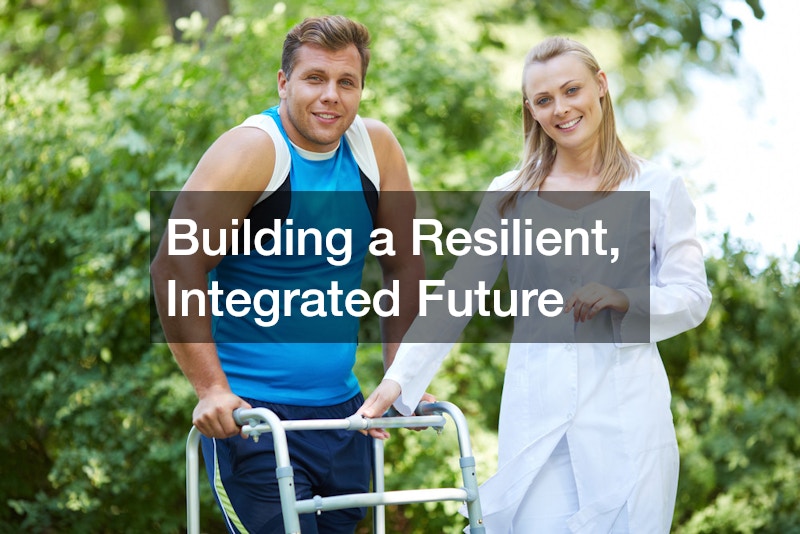
Recovering from catastrophic physical trauma is a journey that touches every aspect of a person’s life. True healing demands far more than isolated medical interventions; it requires a coordinated, whole-person strategy that bridges the gap between clinical care, emotional restoration, home adaptations, and legal protection.
By bringing together skilled clinical specialists, whole-person wellness experts, modern adaptive technologies, and dedicated legal advocates, you build a powerful support system designed to navigate every stage of recovery. While the path may be long and present unexpected obstacles, taking a proactive, integrative approach empowers you to regain your physical function, protect your rights, and rebuild a fulfilling, independent life.