
Staying Mobile and Independent After a Major Diagnosis
A major diagnosis can change your daily routine overnight, but it does not have to take away your independence. With the right information, support system, and equipment, many people continue to live actively and confidently in their own homes for years after a life-changing diagnosis. This article walks through the practical steps you can take to protect your mobility, manage your care, and keep doing the things that matter most to you. Whether you are newly diagnosed or supporting a loved one, these strategies can help you move forward with a clear plan.
Building Your Core Medical Support Team

The first step after any major diagnosis is assembling a team of professionals who understand your specific condition and can coordinate your ongoing care. This usually starts with your primary care provider but often expands to include specialists, physical therapists, and social workers who help you navigate treatment options. Doctors who specialize in your particular diagnosis can offer guidance on what mobility changes to expect and when to seek additional support. Having a consistent point of contact makes it far easier to catch complications early and adjust your care plan as needed.
It also helps to keep a written or digital record of every provider you see, along with their contact information and notes from each visit. This becomes especially important if you need to switch providers, move to a new city, or bring in a new specialist mid-treatment. A well-organized medical history saves time and reduces the chance that important details get lost between appointments.
- Ask your doctor for a written summary after each major appointment
- Keep a shared folder or app where family members can access your medical records
- Request referrals early, since specialist waitlists can be long
- Confirm which providers communicate directly with each other
Finding Convenient Everyday Healthcare Options
Ongoing conditions often require frequent check-ins that go beyond what a specialist visit covers, such as blood pressure monitoring, medication adjustments, or minor injury care. This is where family care clinics can play a valuable role, offering flexible scheduling and walk-in availability for routine needs that do not require a hospital visit. These clinics are often more accessible for people managing mobility limitations, since they tend to have shorter wait times and simpler intake processes than large hospital systems. Choosing a clinic close to home can also reduce the physical toll of frequent travel for checkups.
When comparing local options, it is worth asking whether the clinic offers services tailored to chronic condition management, since not all walk-in clinics are equipped for ongoing care. A good fit will have staff familiar with your diagnosis and a willingness to communicate with your broader care team.
- Ask if the clinic offers transportation assistance or home visits
- Check whether they accept your insurance and specialist referrals
- Look for extended hours if you need flexibility around treatment schedules
- Confirm they can send records directly to your specialists
Adapting Your Home for Safer Movement
Small changes around the house can dramatically reduce fall risk and make daily tasks less exhausting. Grab bars in the bathroom, non-slip flooring, and better lighting in hallways are inexpensive fixes that make a real difference. A raised toilet seat and a shower chair can also take pressure off joints and reduce the risk of a slip during transfers, which are two of the most common places falls happen at home. Many people underestimate how much rearranging furniture or widening walkways can improve their ability to move independently. Clearing pathways of loose rugs, cords, and low furniture creates room for a walker, cane, or wheelchair to pass without maneuvering around obstacles. Even small adjustments, like moving frequently used items to waist-height shelves instead of high cabinets or low cupboards, can cut down on unnecessary bending, reaching, and climbing throughout the day. Lighting deserves special attention beyond just hallways. Motion-sensor night lights near the bed and bathroom can prevent disorientation during nighttime trips, and brighter bulbs on stairways make each step easier to judge. A home safety assessment, often available through occupational therapy services, can identify hazards you might not notice yourself. These evaluations typically take an hour or two and result in a personalized list of recommendations, ranked by cost and urgency, so you can prioritize the changes that will make the biggest immediate difference.
It also helps to think about your home in terms of daily routines rather than just individual rooms. Consider the full path you take from your bed to the bathroom, kitchen, and front door, and look for obstacles along the way, such as loose rugs, low furniture, or narrow doorways that force awkward turns. Walk these routes at different times of day, since lighting and fatigue levels change how safely you move. A path that feels manageable in the morning might feel treacherous at night or after a long day, so consider adding nightlights or motion-sensor lighting along the way. Pay attention to flooring transitions as well, like the shift from carpet to tile, which can create tripping hazards or become slippery when wet. Small changes, such as securing rug edges with non-slip tape or installing threshold ramps, can make a noticeable difference. Finally, think about what you carry or rely on during these trips, whether it’s a laundry basket, a cane, or a cup of coffee. If a task requires both hands or splits your attention, consider rearranging storage or placing a stable chair partway along the route so you always have a place to pause and rest.
- Install grab bars near toilets, showers, and tubs — choose models rated to support at least 250-300 lbs, anchored into wall studs rather than drywall alone
- Remove loose rugs and secure electrical cords, or replace rugs with non-slip, low-pile options and use cord covers along walkways
- Add nightlights along frequently used routes, especially bedroom-to-bathroom paths, and consider motion-sensor lights that turn on automatically
- Raise toilet seats or add shower benches for stability, and pair with handheld showerheads to reduce standing and reaching
- Widen doorways or rearrange furniture if using a walker or wheelchair, aiming for at least 32 inches of clearance
- Consider stairlifts or ramps for homes with steps, especially at main entrances
Choosing the Right Mobility Equipment
For many people, mobility aids become a bridge between limited movement and continued independence, rather than a sign of giving up control over their daily life. Canes and walkers work well for shorter distances, but for those who tire quickly or struggle with longer trips, disability scooters can extend range and reduce fatigue significantly. These scooters are especially useful for errands, medical appointments, or social outings where walking long distances is no longer realistic. Choosing the right model depends on factors like terrain, storage space, and whether the scooter needs to fold for travel.
It is worth testing equipment in person whenever possible rather than ordering based on specifications alone. Comfort, ease of use, and how the equipment fits your specific living space all matter more than raw features on a spec sheet.
- Consider indoor versus outdoor use before choosing a model
- Check weight capacity and battery range
- Look for adjustable seating and armrests for comfort
- Ask about warranty and local repair support
Managing Physical Changes and Rehabilitation
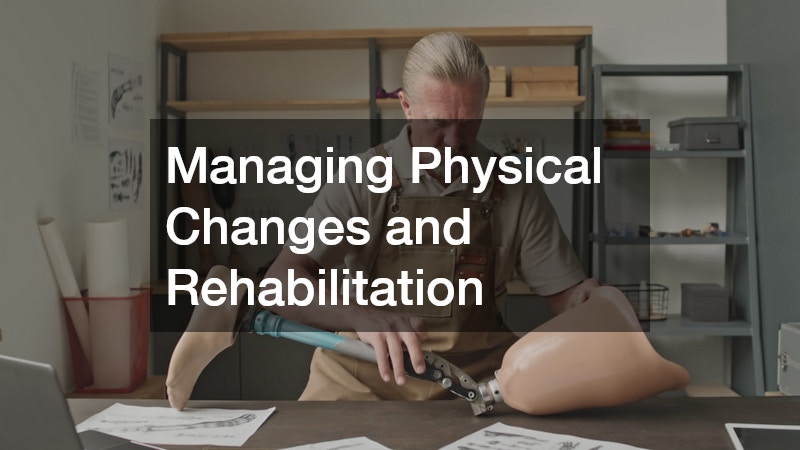 Many major diagnoses come with physical changes that require rehabilitation, whether that means regaining strength after surgery or adapting to a new physical reality. Physical and occupational therapists play a central role here, designing exercise plans that rebuild strength safely without risking further injury. Consistency matters more than intensity in early rehabilitation, since overdoing it can set back progress significantly. Tracking small improvements over time also helps maintain motivation during a process that can feel slow.
For those who have experienced limb loss or significant physical trauma, advances in prosthetics have made it possible to regain a remarkable degree of independence and mobility. Modern prosthetic devices are increasingly customized to a person’s lifestyle, whether that means walking comfortably, returning to work, or staying active in sports. Working closely with a prosthetist ensures proper fit and comfort, which directly affects how much a person can rely on the device day to day.
- Follow a consistent rehabilitation schedule set by your therapist
- Communicate pain or discomfort immediately rather than pushing through it
- Ask about adjustments as your body changes over time
- Set realistic short-term goals to track progress
Supporting Family Members Through Major Health Transitions
A major diagnosis rarely affects just one person, and family members often need guidance on how to help without becoming overprotective or overwhelmed. Open conversations about what kind of help is actually useful, versus what feels intrusive, can prevent frustration on both sides. It also helps to divide responsibilities clearly, so no single family member carries the full weight of caregiving alone.
For expecting mothers navigating a new diagnosis during pregnancy, specialized support becomes even more important, and pregnancy centers can offer resources tailored to both maternal health and any additional medical complexities. These centers often provide counseling, education, and connections to specialists who understand how a diagnosis might affect pregnancy and postpartum recovery. Having this kind of focused support can ease anxiety and help families feel more prepared for what comes next.
- Schedule regular family check-ins to discuss care needs
- Identify specific tasks each family member can realistically take on
- Encourage caregivers to seek their own support or respite care
- Ask about local resources for specialized health situations
Staying Connected to Community and Daily Life
Independence is not just physical, it is also social, and staying connected to community activities plays a major role in long-term wellbeing. Isolation can creep in quickly after a major diagnosis, especially if mobility challenges make it harder to leave the house as often. Local support groups, whether in person or online, offer a chance to share experiences with others facing similar circumstances. Staying engaged with hobbies, even in modified forms, also helps preserve a sense of identity beyond the diagnosis.
- Look for condition-specific support groups in your area
- Ask about accessible transportation services for social outings
- Consider volunteer opportunities that fit your current abilities
- Stay in touch with friends through regular calls or visits if travel is difficult
Staying mobile and independent after a major diagnosis is rarely about one single decision, but rather a series of small, informed choices made over time. Building a reliable care team, adapting your home, choosing the right equipment, and leaning on both family and community support all work together to protect your quality of life. Start with one area that feels most urgent, whether that is a home safety check or a conversation with your doctor about mobility options, and build from there. Progress may be gradual, but each step forward helps preserve the independence that matters most to you.