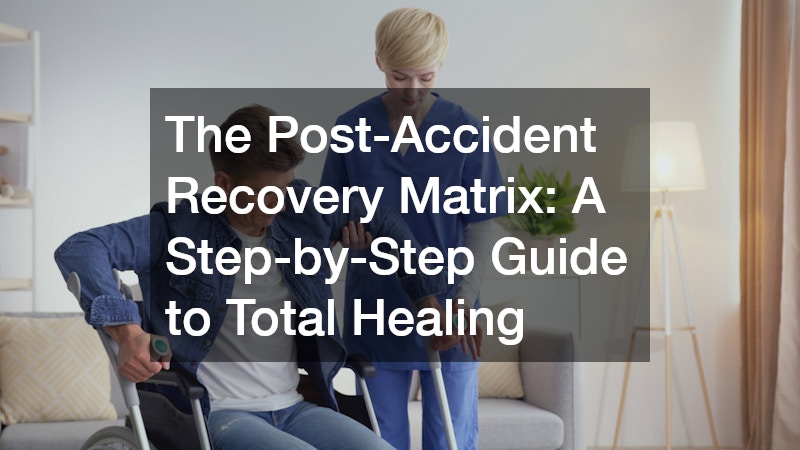
The Post-Accident Recovery Matrix A Step-by-Step Guide to Total Healing
The moments immediately following a vehicular collision or a sudden fall are almost always marked by profound confusion. The human body is remarkably resilient, but it is also highly susceptible to the intense forces generated during an unexpected impact. In the immediate aftermath, adrenaline surges through the bloodstream, effectively masking pain and creating a false sense of physical security. Many individuals walk away from the scene believing they have escaped entirely unscathed, only to discover hours or days later that their bodies have sustained significant underlying trauma. This delayed reaction frequently complicates the initial healing phase.
Healing from these incidents is rarely a straightforward, singular event. Instead, it requires a comprehensive, multi-layered approach that addresses the physical, physiological, and structural aspects of trauma. This systematic approach can be understood as a recovery matrix. By breaking down the healing process into distinct, manageable phases, injured individuals can navigate their rehabilitation with clarity. The goal is not merely to return to a baseline of basic functioning, but to achieve total restoration of health, mobility, and overall well-being. When multiple therapeutic disciplines cooperate, the path to wellness becomes clearer and far more sustainable over the long term. This collaborative strategy allows for a seamless transition between acute treatment, long-term rehabilitation, and eventual lifestyle integration.
Immediate Medical Evaluation and Crisis Triage
The very first phase of the recovery matrix begins within hours of the incident. Even when visible injuries are absent, seeking an immediate medical evaluation is an absolute necessity. Hidden conditions such as internal bruising, micro-concussions, and soft tissue strains frequently take time to manifest visible or painful symptoms. Choosing to visit an urgent care facility ensures that medical professionals can perform diagnostic imaging, check vital signs, and rule out life-threatening complications right away. These early evaluations prevent minor issues from becoming permanent structural problems.
These clinics are specifically designed to handle non-life-threatening emergencies efficiently, providing a critical safety net during the crucial window following an accident. Beyond the immediate health benefits, this initial medical encounter establishes an official, chronological record of the injuries sustained. Skipping this step can lead to prolonged complications, as undetected injuries may worsen rapidly without early intervention. A thorough baseline examination provides the essential foundation upon which all subsequent rehabilitative steps will be built, ensuring that no hidden trauma is left to fester unnoticed.
Legal Protections and Case Documentation
Once physical safety is stabilized, the administrative and financial realities of an accident must be addressed. Navigating insurance claims, medical bills, and liability determinations can quickly become overwhelming for someone trying to heal. Securing the guidance of an experienced personal injury lawyer can alleviate this immense stress and protect the patient’s long-term interests. This legal support prevents insurance entities from minimizing legitimate medical claims.
These legal professionals specialize in dealing with insurance adjusters who may attempt to minimize payouts or deny coverage for necessary ongoing therapies. A skilled attorney ensures that every piece of medical documentation, from the initial diagnostic scans to future rehabilitation estimates, is meticulously compiled and preserved. This comprehensive documentation is vital for securing the financial resources required to fund a complete recovery program. By transferring the burden of legal correspondence and negotiations to a trusted advocate, the injured individual can focus entirely on their physical rehabilitation without the looming anxiety of financial ruin, ensuring they can access every necessary clinical modality.
Restoring Structural Integrity and Spinal Balance
With the medical baseline established and legal protections in place, the focus shifts directly to physical rehabilitation. The violent forces of an impact often cause the spine to shift out of its normal alignment, leading to nerve compression, localized muscle spasms, and severe headaches. Consulting a licensed chiropractor allows for the gentle realignment of the skeletal system, which helps relieve pressure on the nervous system and restores basic structural balance. Proper alignment sets a necessary foundation for subsequent soft tissue rehabilitation.
These targeted adjustments focus heavily on the neck and lower back, areas that are particularly vulnerable to whiplash and sudden twisting forces. By correcting these structural misalignments early, patients can prevent chronic compensatory patterns from developing throughout the body. When the spine is properly aligned, the nervous system functions more efficiently, facilitating better communication between the brain and the rest of the body. This structural normalization reduces immediate discomfort and creates an optimal environment for the soft tissues to heal without being subjected to uneven mechanical strain.
The Role of the Functional Mobility Specialist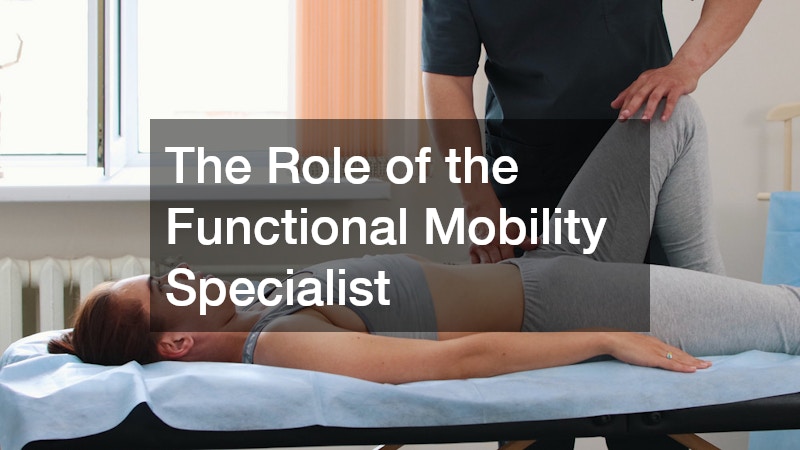
While structural alignment lays the necessary groundwork, restoring functional movement requires a detailed assessment of the soft tissues and joints. An injured individual will benefit greatly from working closely with a skilled physical therapist who can identify specific movement limitations and muscular weaknesses. This professional designs a highly customized plan tailored to the unique injuries of the patient, ensuring that the recovery process moves forward safely and effectively. These detailed movement assessments provide an objective baseline to measure monthly functional gains.
The specialist evaluates gait, range of motion, and balance to pinpoint exactly which areas require targeted intervention. By monitoring progress over weeks and months, adjustments can be made to the protocol as the body grows stronger and more resilient. The guidance of a movement specialist prevents the patient from performing exercises that could aggravate the injury. Through careful supervision, patients learn how to move their bodies efficiently again, regaining the confidence needed to perform everyday activities without the constant fear of re-injury, allowing for a smoother transition to normal life.
Rebuilding Strength Through Targeted Exercise
Following the initial movement assessment, the active rehabilitation phase begins in earnest. Engaging in structured physical therapy sessions allows the patient to rebuild muscle groups that may have become weak or guarded after the trauma. This process involves a combination of manual therapy, guided stretches, and progressive resistance exercises designed to restore full flexibility and stability. Regular exercise ultimately rebuilds the body’s natural, long-term physical resilience.
Consistency during this phase is absolutely essential, as soft tissues require regular, controlled stress to heal correctly and form strong cellular connections. The targeted exercises help pump nutrient-rich blood to the injured areas, reducing residual swelling and breaking up restrictive scar tissue. As the weeks progress, the focus expands from basic pain relief to advanced functional training, preparing the body for the physical demands of normal life. This structured exercise program helps the patient regain lost endurance and ensures that the muscles surrounding the previously injured joints provide maximum support and long-term protection against future strains, ensuring the joints remain perfectly stable.
Restoring Independence in Daily Routines
An often overlooked component of comprehensive recovery is the transition back to normal daily activities and employment responsibilities. Experiencing a sudden physical limitation can make simple tasks, like typing, cooking, or driving, feel incredibly daunting. Utilizing occupational therapy provides patients with practical, real-world strategies to overcome these daily hurdles and regain their functional independence. Adapting these environments minimizes daily physical stress on recovering muscle groups.
This discipline focuses on modifying the environment, teaching energy conservation techniques, and adapting tasks to fit the patient’s current physical capabilities. Therapists evaluate the patient’s home and workplace to recommend ergonomic adjustments that reduce strain on the recovering body. By focusing on the cognitive, emotional, and physical aspects of daily life, this therapy bridges the gap between basic clinical exercises and the actual demands of independent living. The ultimate aim is to empower the individual to return to their career and hobbies safely, minimizing the risk of repetitive strain while maximizing productivity and long-term life satisfaction as they return to their routines.
Addressing Hidden Deep Core Trauma
Severe impacts, especially those involving seatbelts or sudden pelvic shearing forces, can cause deep internal injuries that standard diagnostic tools occasionally overlook. The muscles supporting the bladder, bowel, and reproductive organs can become highly hypertonic or severely weakened due to trauma. Seeking specialized pelvic floor therapy can address these distressing, yet rarely discussed, symptoms such as pelvic pain, incontinence, or core instability. A balanced pelvis effectively redistributes mechanical weight across the lower limbs.
A specialized practitioner helps patients identify and safely rehabilitate these deep-seated muscle groups through targeted relaxation techniques and biofeedback exercises. Because the pelvis serves as the absolute center of gravity for the human body, any unresolved dysfunction in this region can negatively ripple upward into the lower back and downward into the hips. Restoring balance to these deep core muscles relieves chronic internal pressure, stabilizes the pelvis, and significantly improves the success of other musculoskeletal treatments, ensuring a truly thorough and well-rounded recovery process.
Accelerating Cellular Healing and Repair
To complement physical and mechanical rehabilitation, addressing systemic healing at the cellular level can drastically shorten overall recovery times. Tissues that have sustained severe trauma often suffer from localized hypoxia, a condition where a lack of adequate oxygen restricts the natural cellular repair process. Integrating hyperbaric oxygen therapy into the recovery matrix allows the body to breathe pure oxygen in a pressurized chamber, significantly increasing oxygen saturation in the blood plasma. Enhanced systemic oxygenation effectively accelerates natural tissue healing timelines throughout the body.
This advanced modality delivers crucial oxygen deep into damaged tissues, stimulating the growth of new blood vessels and reducing stubborn swelling. By providing the body with an abundance of metabolic fuel, cellular regeneration is accelerated, allowing muscles, ligaments, and nerves to mend far more efficiently. This systemic support reduces overall fatigue, boosts the immune system, and enhances the body’s natural capacity to clear out metabolic waste products that accumulate after a major traumatic event, giving the patient an additional energy boost during challenging physical tasks.
Utilizing Complementary Clinical Wellness Services
As the body undergoes intense physical reconstruction, managing soft tissue restrictions and elevated stress levels becomes a key priority. Visiting a clinical med spa offers patients access to advanced, non-invasive therapies that perfectly complement traditional medical rehabilitation. Soothing these hyperactive muscle fibers allows for greater comfort during active rehabilitation.
Specialized treatments such as medical-grade massage, lymphatic drainage, and targeted laser therapies help soothe hyperactive nervous systems and improve local circulation. These clinical wellness interventions focus heavily on reducing myofascial tightness and breaking down stubborn scar tissue that can restrict overall flexibility. Furthermore, the calming environment of these facilities helps lower cortisol levels, which is crucial because chronic psychological stress can significantly delay physical healing. By integrating these specialized soft tissue treatments into the broader recovery matrix, patients experience a substantial reduction in muscular tension, allowing them to participate more fully and comfortably in their primary rehabilitative exercises, helping to balance both mind and body simultaneously throughout the process.
Long-Term Oversight for Persistent Symptoms
For some individuals, the path to full health requires ongoing specialized oversight to address complex, lingering neurological symptoms. When discomfort persists despite completing standard therapy timelines, partnering with a dedicated chronic pain management service becomes a critical step in the matrix. Ongoing medical monitoring ensures that sudden symptom flare-ups are addressed immediately.
These specialized teams offer a comprehensive approach that combines medical interventions, lifestyle adjustments, and neuromodulation techniques tailored to the individual. Rather than focusing solely on temporary symptom relief, these specialists work diligently to identify the precise underlying neurological or inflammatory triggers responsible for the ongoing discomfort. They coordinate closely with the patient’s other healthcare providers to ensure that all treatments remain safely aligned and mutually supportive. This careful, long-term monitoring helps prevent temporary post-accident discomfort from developing into a permanent, lifestyle-limiting condition, providing patients with the continuous support and expert guidance necessary to reclaim their long-term quality of life, which remains the central objective of the entire recovery plan.
The Integration of the Recovery Matrix
True healing following a major accident is rarely achieved by focusing on a single symptom or relying on one medical discipline. Total restoration is the result of a carefully coordinated, multi-layered matrix that addresses structural, functional, systemic, and legal needs simultaneously. By moving systematically through each phase, from the initial diagnostic evaluations to advanced cellular therapies and legal protections, injured individuals can safely navigate the complex path back to wellness. This comprehensive approach ensures that no aspect of trauma is ignored, and no lingering symptom is left unaddressed. With the right team of dedicated professionals working in harmony, patients can look forward to a complete, sustainable recovery, ultimately regaining their strength, independence, and long-term peace of mind.