Beyond the Mirror How Chronic Conditions and Aesthetic Concerns Impact Mental Well-Being
Human wellness is a highly integrated system where the physical and psychological realms constantly influence each other. For a long time, conventional perspectives tended to place medical care and emotional health into entirely separate categories. Physical ailments were treated with prescriptions or procedures, while emotional struggles were addressed through conversation and behavioral therapy. In the modern healthcare landscape, this division has completely broken down. Clinical professionals now realize that what happens to the outer shell of the body deeply affects how a person feels internally, and vice versa. When an individual deals with an ongoing health issue or notices an unsettling shift in their physical appearance, the mind does not remain indifferent. Instead, these bodily changes frequently spark complex emotional responses, ranging from minor self-consciousness to severe, prolonged anxiety. Understanding this connection is essential for anyone trying to navigate a health journey effectively, as it shifts the focus from merely managing isolated symptoms to caring for the entire person. When people look into the mirror, they do not just see a collection of tissues and organs; they see their history, their self-worth, and their connection to the world around them. This deep intersection forms the basis of how people interact with their environments, making it vital to explore how specific health challenges influence inner peace.
The Groundwork of Primary Care and Internal Health
The first point of contact for most individuals entering the healthcare system is their primary care physician. This initial relationship is crucial for establishing a baseline of health and monitoring subtle changes over time. When patients regularly visit a modern family practice, they are usually seeking solutions for routine issues like blood pressure management, annual lab work, or preventative screenings. However, these regular checkups often reveal underlying vulnerabilities that extend far beyond physical data points. A patient learning about a new chronic diagnosis may smile and nod during the appointment, but once they leave the clinic, the psychological weight of that diagnosis begins to settle in. The realization that a physical condition requires long-term management can trigger a profound sense of vulnerability. Primary care environments are unique because they offer a bird’s-eye view of a patient’s life, allowing clinicians to notice when a physical complaint is accompanied by unexplained fatigue, changes in sleep, or a drop in mood. By treating the individual as a complete entity rather than a checklist of symptoms, primary care providers can help patients understand that feeling overwhelmed by physical adjustments is an entirely normal part of the human experience. This comprehensive tracking ensures that early physical red flags do not evolve into unmanageable emotional burdens down the road.
Alleviating the Wear and Tear of Chronic Physical Stress
Living with continuous physical discomfort places an immense, exhausting burden on a person’s emotional state. When a physical ailment causes pain day after day, it slowly drains an individual’s patience, focus, and capacity for joy. Chronic discomfort alters the nervous system, keeping the body in a constant state of high alert that mimics psychological anxiety. For individuals caught in this cycle, accessing specialized care for pain management becomes much more than an attempt to fix a structural issue; it functions as a critical intervention for their mental peace. When physical suffering is mitigated, the mind finally receives the breathing room it needs to rest, reducing the secondary depression that so often accompanies long-term physical limitations. In addition to structural pain, internal chemical imbalances can quietly disrupt a person’s emotional baseline from within. Endocrine changes, whether caused by aging, stress, or underlying medical conditions, can lead to severe mood swings, sudden cognitive fog, and pervasive exhaustion. When a medical team introduces a carefully monitored regimen of hormone replacement, the goal is to restore the natural equilibrium of the body. Correcting these deep internal imbalances directly supports neurological health, clearing away the persistent emotional heavy lifting that occurs when the body’s internal chemistry is out of alignment.
Addressing Subtle Vascular and Sensory Shifts
As time passes, the body undergoes a variety of sensory and structural alterations that can subtly undermine a person’s feelings of independence and confidence. Sensory decline, such as a gradual reduction in visual clarity, often sneaks up on individuals, slowly increasing their daily stress levels. Straining to read messages, experiencing difficulty driving at night, or struggling to see faces clearly creates a persistent feeling of disconnection from the immediate environment. Regular evaluations by an experienced optometrist provide far more than just a new set of corrective lenses; they actively protect a person’s autonomy and social engagement. When individuals can see their world clearly, their confidence in navigating daily tasks is restored, preventing the subtle withdrawal from social activities that often follows unaddressed sensory loss. Alongside sensory changes, structural modifications in circulation can introduce both physical discomfort and significant self-consciousness. The emergence of prominent, swollen pathways on the legs, known commonly as varicose veins, offers a clear example of this intersection. While these vascular issues can cause aching, heaviness, and swelling, they also carry an aesthetic burden. Individuals often go to great lengths to conceal their legs, avoiding certain clothing styles or declining social invitations out of embarrassment, which gradually chips away at their self-image.
Restoring the Foundation of Oral Health and Confidence
The physical state of a person’s mouth plays an incredibly prominent role in how they communicate, express emotion, and present themselves to society. When structural dental issues occur, the emotional consequences are immediate, visible, and deeply felt. Routine maintenance through general dentistry is indispensable for preserving basic oral function, preventing painful infections, and maintaining the structural integrity of the jaw. Yet, when someone experiences advanced decay, broken teeth, or total tooth loss, the problem shifts from a routine medical concern to an emotional emergency. People often become hyper-aware of their mouths, covering their faces when they laugh, avoiding specific foods during social dinners, or withdrawing from public speaking opportunities. In these advanced scenarios, collaborating with an expert implant dentist provides a durable path toward structural and emotional restoration. Unlike temporary options, modern permanent dental restorations rebuild the natural contours of the jawline and provide unparalleled stability for speaking and eating. The psychological transformation that occurs when a patient gains a full, functional smile is immense. It lifts a heavy layer of social anxiety, allowing individuals to engage in everyday conversations and professional interactions with a renewed sense of security and presence.
Managing the Visual Markers of Time and Transformation
Physical changes that alter a person’s visible identity can trigger a complex process of grief and adjustment. For many people, hair is highly symbolic, closely tied to concepts of youth, vitality, and personal identity across different cultures. When an individual notices significant hair thinning or progressive balding, it can feel like their recognizable self is slowly disappearing. This visible shift often causes substantial distress, prompting worries about aging or a loss of professional and personal appeal. The emotional impact of changing hair patterns is a deeply personal challenge that affects self-esteem across all demographics. Similarly, major life events like massive weight loss, serious injuries, or natural aging can leave individuals feeling disconnected from the person they see in the mirror. Seeking the clinical expertise of a qualified plastic surgeon is a path many choose to bridge this gap between internal identity and external appearance. Whether a procedure involves reconstructive techniques to restore function after an accident or aesthetic adjustments to address loose skin and loss of volume, these interventions can significantly shift a person’s self-perception. When approached with clear, realistic expectations, these treatments allow individuals to regain a sense of alignment and comfort within their own skin.
Cultivating Emotional Resilience Through Targeted Support
While physical interventions, surgeries, and specialized medical treatments are highly effective at repairing the physical structures of the body, they do not automatically erase the psychological stress that accumulates during a health crisis. True healing requires addressing the emotional framework that supports physical recovery. Integrating a dedicated mental health service into a broader wellness plan offers individuals a structured, supportive space to process the emotional disruptions caused by illness or changing aesthetics. Professional therapists and counselors work with patients to unpack the complex feelings that arise when dealing with bodily changes, helping them navigate societal expectations and quiet their internal critics. This type of psychological care is particularly valuable for individuals learning to accept chronic conditions or adapting to a brand-new physical appearance after an intensive medical procedure. By learning healthy coping mechanisms and reshaping their mental self-image, patients can prevent situational stress from hardening into long-term anxiety or depression. Treating psychological wellness as an essential component of overall health ensures that individuals do not have to carry the emotional weight of physical transformations entirely on their own, paving the way for sustainable recovery.
The Interconnected Nature of Modern Clinical Care
To achieve a state of comprehensive well-being, it is useful to look at how different medical specialties can support one another behind the scenes. No single part of the human body exists in complete isolation, and the most successful health outcomes occur when various providers operate with a shared understanding of a patient’s overall goals. For example, a person recovering from a complex surgical procedure may find that their physical healing progresses much faster when their underlying sleep patterns and stress levels are managed concurrently. Similarly, addressing chronic metabolic concerns can have a positive, cascading effect on skin health, energy levels, and everyday cognitive function. When medical teams prioritize clear communication and recognize the validity of both physical and mental symptoms, the patient benefits from a seamless, supportive environment. This collaborative approach removes the pressure from the individual to act as their own medical coordinator, allowing them to focus their energy entirely on healing and personal growth. Over time, this cooperative clinical framework reduces patient burnout and fosters deeper trust between individuals and the medical community.
Practical Strategies for Embracing a Comprehensive Wellness Plan
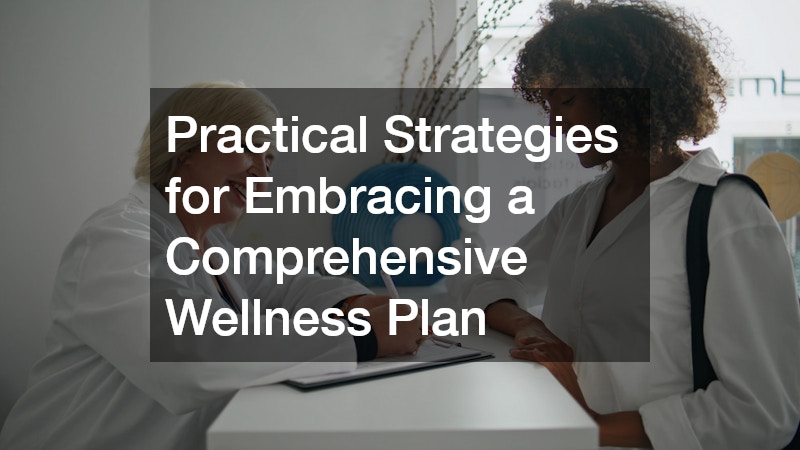
Embracing a comprehensive approach to health requires a shift in how individuals prioritize their daily routines and medical appointments. It involves moving away from reactive care, where a doctor is only visited when a crisis occurs, toward proactive maintenance. Patients can begin by keeping an open, honest dialogue with their primary care providers about both their physical symptoms and their emotional states. Documenting changes in mood, energy, or confidence alongside physical changes like joint pain or vision shifts helps create a clearer clinical picture. Additionally, building a reliable network of trusted specialists ensures that every aspect of health is evaluated by an expert who understands the nuances of that specific field. Taking the time to research providers, ask detailed questions about treatment options, and voice personal concerns helps individuals feel more in control of their medical journeys. This active participation fosters a sense of agency, transforming healthcare from a series of intimidating tasks into an empowering framework for long-term vitality and peace of mind. Ultimately, being an active advocate for one’s own health bridges the gap between clinical treatments and a high quality of daily life.
A Unified Path Forward for Long-Term Vitality
Ultimately, the journey toward lasting wellness is about finding harmony between the physical body and the mind. True health is not merely the absence of disease, nor is it the achievement of flawless physical perfection; it is a dynamic state of balance where an individual feels strong, capable, and comfortable in their own skin. By recognizing that physical challenges and aesthetic concerns naturally carry an emotional weight, people can stop judging themselves for feeling anxious or overwhelmed by changes in their bodies. Validating these feelings is the first step toward finding comprehensive solutions that address the root causes of distress. Whether a person is taking steps to manage a chronic internal condition, seeking to restore physical function, or working with a professional to strengthen their emotional resilience, every single effort contributes to a healthier whole. When the medical community and patients work together to honor the deep connection between physical and mental health, the mirror ceases to be a source of judgment and instead becomes a reflection of resilience, care, and total well-being. This integrated perspective empowers individuals to live fully, knowing that every aspect of their health is respected and supported.