How Different Diets Affect Your Teeth and Gum Health
Maintaining a healthy diet is crucial not only for overall well-being but also for ensuring the health of your teeth and gums. A diet rich in nutrients supports the structure and health of your oral cavity, aiding in preventing tooth decay and gum disease. Nutrients like calcium, vitamin D, and fluoride play a significant role in strengthening your teeth.
Moreover, a well-balanced diet fosters an ideal environment in the mouth, reducing the growth of harmful bacteria that can lead to dental issues. When the intake includes minerals, vitamins, and water, it helps to efficiently wash away leftover food particles, thus minimizing plaque build-up. Therefore, integrating nutrient-dense foods into your meal plans not only enhances oral health but also sustains overall bodily wellness.
Foods we consume every day directly impact the state of our oral health. Sugary and acidic foods can lead to enamel erosion and cavities. While regular visits to the dentist aid in monitoring dental health, understanding the impact of different diets is equally important.
Such awareness is pivotal as it empowers you to choose foods that offer long-term protective benefits. An informed selection of ingredients can safeguard against the need for extensive dental care, thus contributing to reduced trips to dental offices. It’s also about understanding how modern food trends, including organic lecithin, can fit into this broader context of oral health maintenance.
With new food trends emerging, such as organic lecithin supplements, understanding the benefits and potential drawbacks of what we consume becomes essential. Identifying how these trends fit into a diet that maintains teeth cleaning efficacy is key to long-term dental health.
The combination of a considered diet with an efficient cleaning routine fosters the best results. These efforts are often enhanced by nutrient-focused foods that promote the regeneration and health of oral tissues. Ensuring this bolstered approach is vital, as it helps maintain a robust oral cavity resilient to decay and gingival ailments.
A Closer Look at Various Diets

The modern food landscape offers a plethora of diet choices, each claiming distinct health benefits. While new palates and preferences introduce innovative dishes like frozen banana pie, we need to consider how such items affect our dental health. High sugar content can be particularly harmful, promoting bacteria growth in the mouth.
Paying attention to the dynamics of sugar is vital because it serves as a primary food source for bacteria, which produces acid that erodes tooth enamel. This erosion is the harbinger of cavities and other more severe dental issues if not promptly addressed. Therefore, it’s essential to balance indulgent treats with proactive oral care to mitigate these effects.
On the other hand, traditional dishes like carribean food often feature ingredients beneficial to dental health, such as leafy greens and lean proteins. These components can help maintain the necessary nutrient levels to protect your gums and teeth effectively.
Traditional diets, by virtue of their composition, tend to promote overall health, including oral well-being. By focusing on whole foods and natural ingredients, such diets offer a buffer against tooth decay compared to processed and sugar-laden meals. This emphasis on natural consumption aligns seamlessly with maintaining a healthy and vibrant smile.
Visiting dental offices regularly is crucial but not enough to counteract a poor diet. While exotic flavors and dishes are tempting, understanding their impact helps maintain the balance necessary for healthy teeth and gums.
Exploring various diet options with an appreciation of how they influence oral health can motivate healthier choices. These choices are complemented by regular professional dental examinations, which act as check-points in maintaining oral health. Together, dietary discretion and professional care form a robust defense against dental health challenges.
International Cuisines and Their Dental Impact
Exploring international cuisines offers an exciting culinary journey, with cuisines like authentic Mexican and Japanese foods adding variety. The spices and preparation methods in authentic Mexican cuisine can include ingredients helpful for oral hygiene, like onion and garlic, renowned for their anti-bacterial properties.
The inclusion of natural antibacterial agents found in many international dishes aids in reducing harmful bacteria. Such culinary benefits extend beyond the palate, offering protection that diminishes the frequency of dental visits to address decay. Hence, integrating these ingredients can serve as a potent ally in promoting dental prosperity.
An authentic Japanese restaurant experience may present diverse options, many of which like fish, provide omega-3 fats essential for reducing inflammation and supporting gum health. Seaweeds and miso soup are rich in nutrients, adding to their dental benefits.
Japanese cuisine holds a treasure trove of foods rich in antioxidants and anti-inflammatory properties. These benefits are recognized not only for general wellness but specifically for their significant impact on oral health, fostering strong, resilient gums. Regular incorporation of such elements is highly encouraged for a healthy mouth.
Sampling from an exotic fruit box also introduces various vitamins and minerals, but caution is advised as some fruits are high in sugar, which necessitates mindful consumption and regular tooth brushing.
An exotic blend of fruits can tantalize the taste buds while delivering essential nutrients that promote health. However, when consumed unchecked, their sugar content requires diligent teeth cleaning routines to prevent damage. This balance is critical in enjoying fruit’s benefits without compromising oral health.
Fast Food and Dental Health
Fast-food items like fried rice takeout are convenient options that often compromise nutritional value. High in simple carbohydrates and sugars, they pose a threat to dental health by facilitating plaque buildup and acid production.
The allure of fast food is undeniable due to the simplicity and ease it offers in managing busy lifestyles. However, the frequent consumption poses substantial risks, converting convenience into dental pitfalls over time. Recognizing these concerns and opting for healthier alternatives can significantly impact long-term dental outcomes.
Despite their convenience, frequent consumption requires better oral hygiene practices and routine visits to the dentist. Considering alternatives with higher fibre and lean proteins to balance the potential negative effects is wise.
A shift towards more nutritious options within fast food selections can mitigate damage. High-fibre diets promote a natural scrubbing action, quietly working to keep teeth free from food particles. Thus, thoughtful selections become pivotal in steering dietary habits towards health-driven results.
Awareness of what we eat, even on busy days, correlates with reducing potential damage. Initiating thoughtful meal choices can prevent dental decay, ensuring long-term health for your natural teeth.
Establishing habits of mindfulness, especially amid the hustle of daily life, demands conscious commitment to balancing dietary convenience with oral healthful attention. These choices foster a pattern that champions proactive dental health through simple yet effective dietary decisions.
The Role of Natural Supplements
The inclusion of natural supplements in diets, such as organic lecithin, can offer several benefits for dental health. Known for its role in cell protection and nutrient absorption, lecithin promotes healthier gum tissues and tooth integrity.
Organic supplements support various physical functions by seizing on natural benefits that enhance dental health. Their promotion of cell repair and rejuvenation finds particular resonance in oral health, where maintenance of strong gums is paramount. Such enhancements further validate the pursuit of nutritional completeness through purposeful supplementation.
Integrating organic supplements in your diet, especially those rich in phosphatidylcholine, might aid with inflammation and improve mouth health significantly. Such additions can enhance the tasks done at dental offices through preventive care.
The partnership between diet and dental care operates most effectively when preventive strategies are commonplace. Organic lecithin supplements epitomize such a collaborative approach by focusing on bolstering the dietary deficiencies that could hinder strong oral defenses. These preventative measures prove valuable over time.
While the prowess of these supplements is promising, it’s always best to consult with your dentist before beginning any new supplement, as they can provide professional guidance and align whatever consumption with your unique dental needs.
Expert advice is essential to optimize the benefit from organic supplements that one might consider integrating. Guidance from a trusted dental professional ensures any supplementation complements existing oral care routines while preemptively addressing individual dental predispositions.
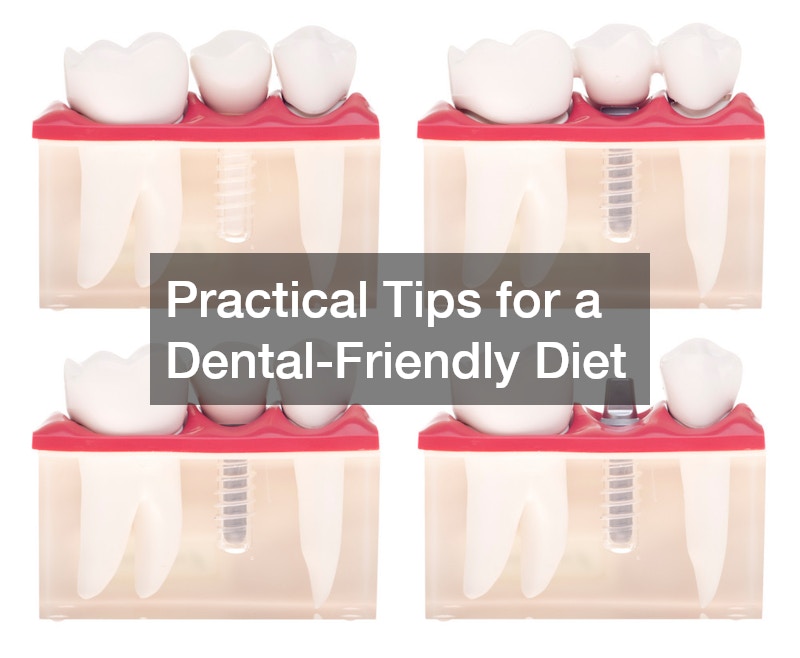
Practical Tips for a Dental-Friendly Diet
Making practical dietary choices goes a long way in supporting dental health. Including more fresh fruits, vegetables, and lean proteins helps sustain strong teeth and gums. Choosing water over sugary beverages is an effective shift towards healthier dental habits.
Water delivers unmatched benefits for oral health by buffering against acidic wear while promoting XY flow. Hydration supports natural saliva production, which plays a key role in neutralizing potential threats from dietary acids. Switching to water demonstrates an immediate and lasting commitment to oral health.
Minimizing sugar-rich treats like frozen banana pie and replacing them with natural fruits or nuts can curb the progress of potential cavities. A versatile and diverse diet supports overall wellness and strengthens teeth cleaning practices.
Realigning dietary inclinations toward options with lower sugar content enables a meaningful oral health trajectory. By curbing indulgence and prioritizing whole foods, individuals position themselves against the ravages associated with high-sugar consumption. This dietary commitment requires dedication yet yields valuable results.
Combining good dietary habits, frequent visits to dental offices, and regular cleaning routines creates a foundation for optimal oral health. Ensuring the balance of nutrients aids in preventing decay and maintaining robust teeth for years.
The multipronged approach of merging dietary care with professional oversight anchors good dental hygiene in everyday life. The combination produces a cumulative effect that is greater than each component alone. Such a structured collaboration epitomizes the essence of lasting oral health management.
The Teeth Cleaning Routine and Diet
Consistency in teeth cleaning is crucial to complement any dietary care taken for dental protection. Even with an efficient diet, it is integral to brush twice daily using fluoride toothpaste and floss regularly to eliminate plaque accumulation.
This foundation of consistent diligence underpins all oral health initiatives. Regardless of how stellar a diet may be, its full potential remains unmet without accompanying oral hygiene practices. Regular efforts maximize dietary contributions, aligning these components into a seamless oral health philosophy.
Following meals, it’s beneficial to rinse the mouth with water, especially after consuming sugary or acidic foods like treats from an exotic fruit box. Regular cleaning breaks down dental plaque and limits its effects on long-term gum condition.
Rinsing acts as an immediate measure to wash away remnants that encourage plaque formation. It serves as a first barrier, reducing bacterial opportunity for colonization. This proactive action functions as an extension of a disciplined teeth cleaning routine, reinforcing an overall healthier approach.
Establishing diligent oral care routines should go hand in hand with making conscious diet decisions. Visits to dental offices for professional cleaning and check-ups bolster these efforts, ensuring that diet and care coexist in achieving the best results.
When these parts align—diet, cleaning, and professional guidance—the whole approach fosters an oral health environment that is sustainable and resilient. Acknowledging and prioritizing these interconnected areas exemplifies an intentional choice for a brighter, healthier dental future.
The strategic synthesis of these components epitomizes the quintessential approach to nurturing uncompromised oral health. Over time, this layered strategy affirms the quest for vibrant teeth and gums.